Build and Bridge Workbook
POWER AND POWER BUILDING
Fostering successful partnerships through shared power and accountability.
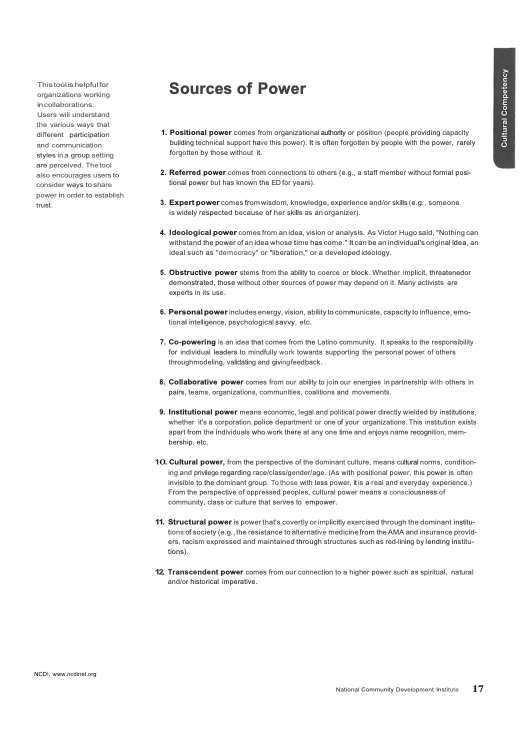
Power differences can occur when bringing organizations and groups together. It’s important to leave space for the exploration of harm, whether done intentionally or unintentionally, and for looking at power as it plays out with and in your community. It is about being introspective and taking real accountability towards showing up better; this is not intended to make your organization or partnership sound good, or make anyone feel bad.
We assume those examining their partnerships and power differentials are doing their best, and sometimes we have to work for organizations that are not acting with the same care or intention. We can acknowledge institutional harm while knowing it is not the fault of any one person showing up to improve their partnerships. We invite you to reflect on how you will continue to work towards power building and what strategies you have employed to that end.
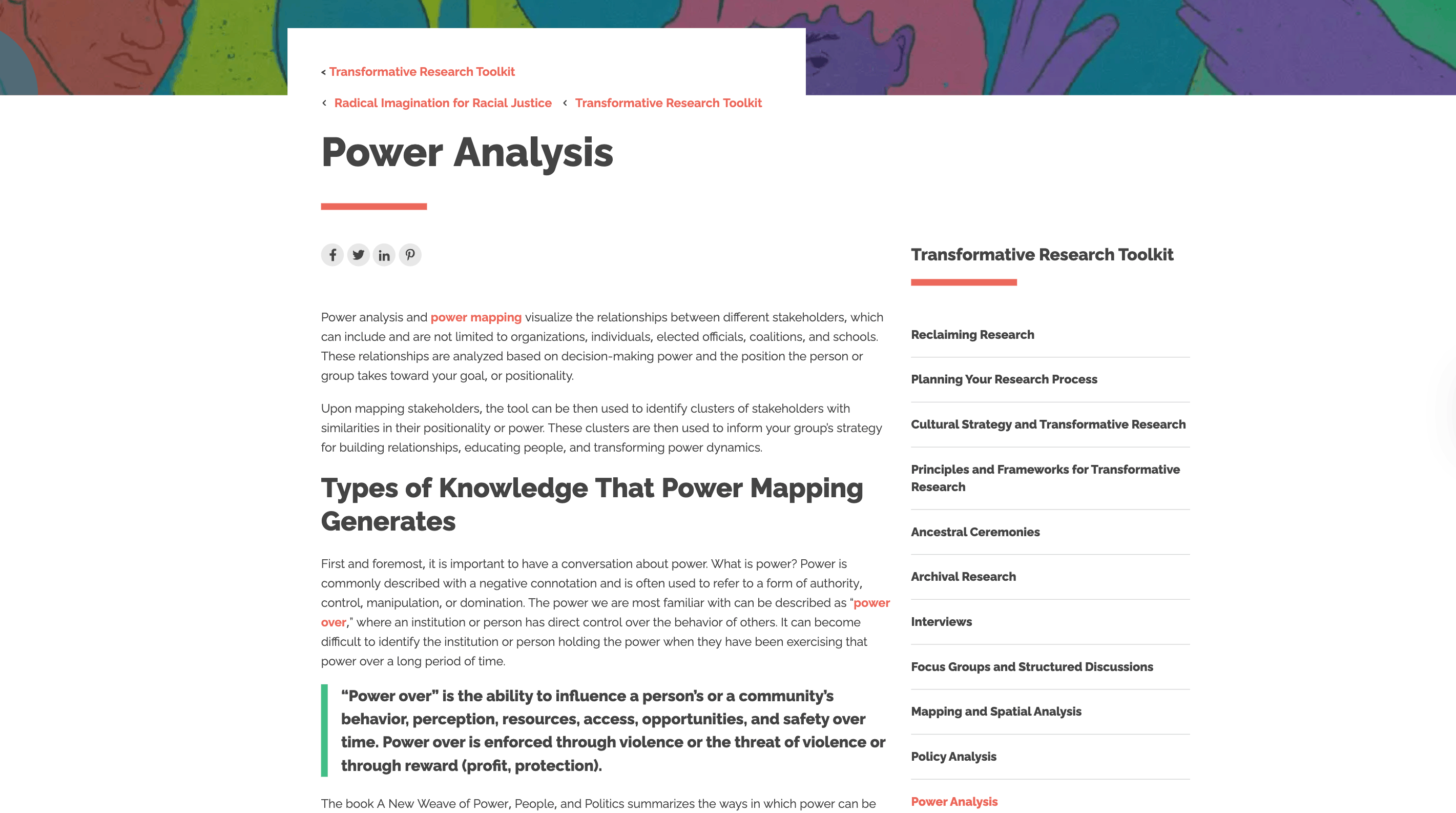
Reflecting on the power we already have can be helpful. Sometimes it may feel like one partner is under attack and lacks power, or that one partner is facing funding cuts and lacks power. Challenge those assumptions through this section, because these partnerships have power: financial, institutional, governmental, relational and more. It’s also important to acknowledge history. Consider how to take accountability for a better future of public health. When your partnership seeks to start a new program in a community, you are coming in with a lot of power and assumptions. How can we more intentionally approach that?
Key Characteristics
The key characteristics of successful partnerships this section focuses on:
- Address and disrupt existing power dynamics and prioritize mutual decision-making over feedback-only models
- Apply principles of power-sharing and power shifting to ensure all voices are respected; humility is essential, e.g., cultural humility
- Practice collaborative leadership
- Attend to inclusivity
- Recognize that CBOs are not a proxy for community members but can serve as connectors
Reflection Questions
1.
In what ways has power shown up in your relationships?
2.
What harms still need to be addressed, if any? In what ways have you addressed these harms or how do you plan to?
3.
How does your partnership approach the residents of your community in terms of power?
4.
Are the activities of your partnership driven by the people in the community most impacted by health inequity?
4a.
Are community members being asked to support your activities and adhere to government
expectations? Are you seeking out ways you can support community-led activities on their terms?
5.
What are the barriers your partnership experiences in addressing power distribution?
6.
What strategies can you use to address power distribution within your partnership and with the community you are in?
7.
How do you plan to address the harms you discussed in this section?