Build and Bridge Workbook
TRUST AND ACCOUNTABILITY
Trust grows through shared accountability.
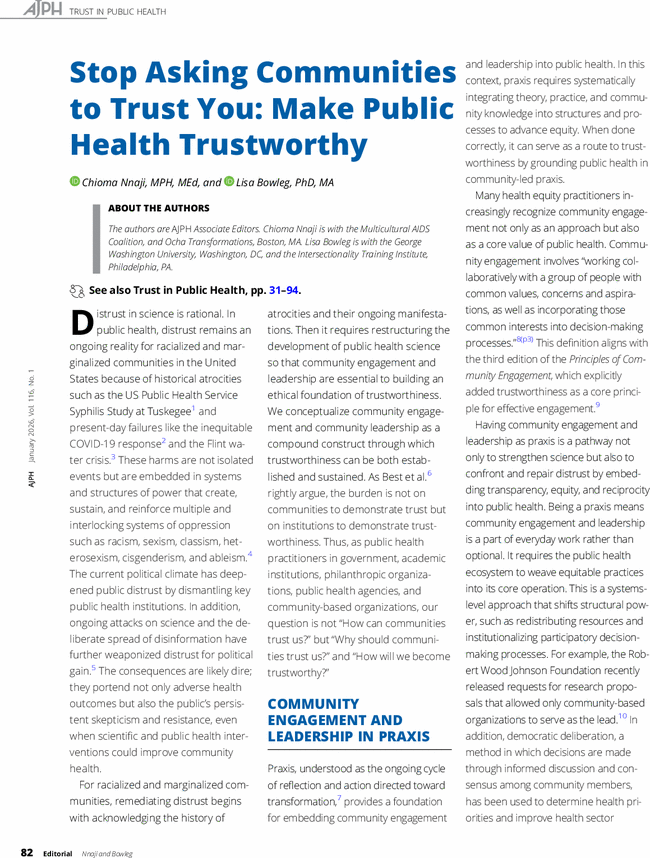
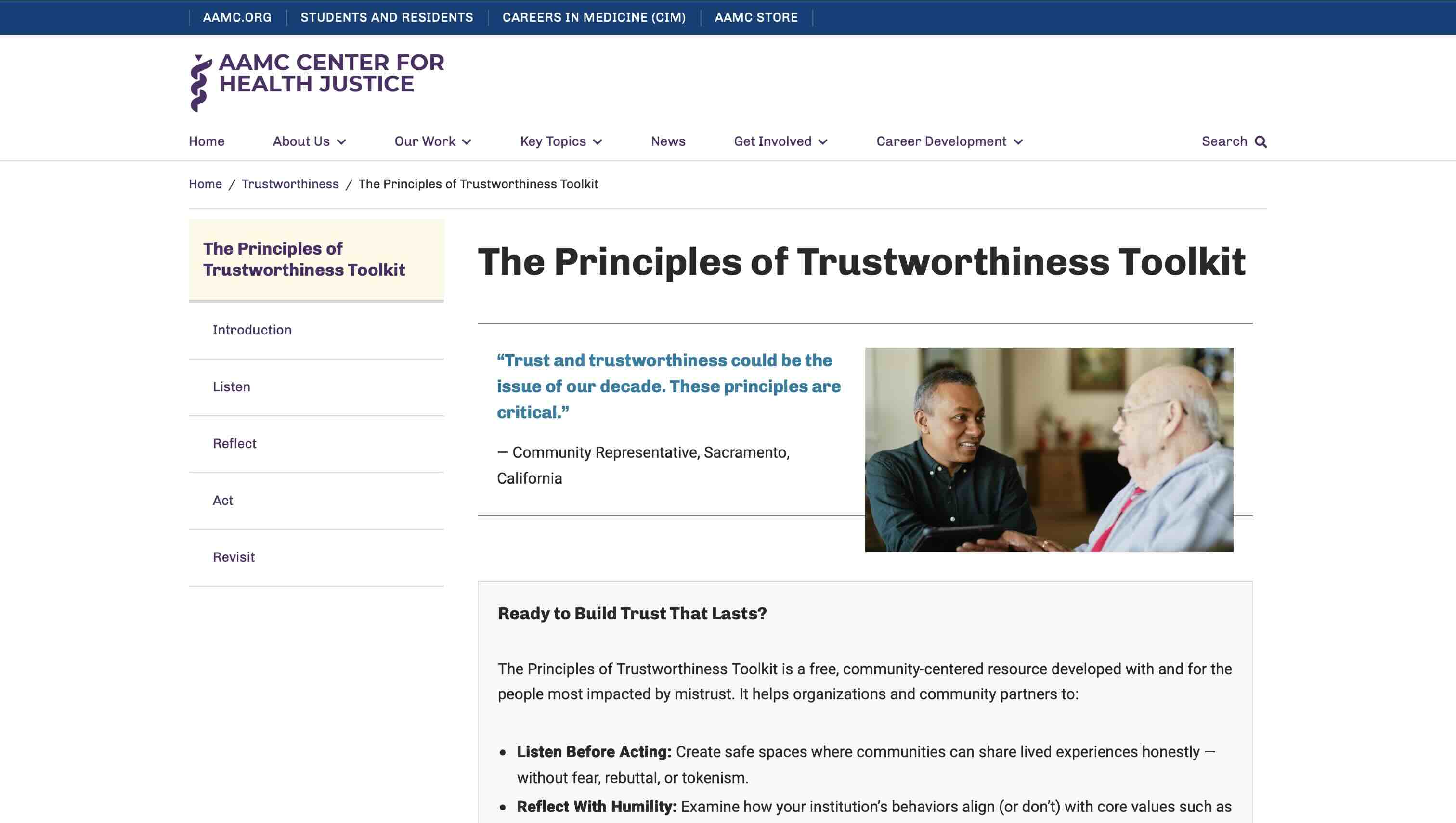
Trust is built through consistent, respectful ways of working together over time. Partners learn to rely on one another by defining goals, roles, and expectations together, communicating openly, and following through on commitments. Accountability is key: encourages partners to uphold commitments, acknowledge past harms and mistakes, and change course when needed.
What trust and accountability look like will vary across partnerships. Partners need to consider what accountability means for them, reflect on their own trustworthiness, and take meaningful action to repair, maintain, and strengthen trust over time.
Trust and accountability are essential to building successful partnerships.
Use the key characteristics, reflection questions, and resources below to explore what builds or undermines trust in your partnership and identify practices for maintaining, strengthening and repairing it over time.
Key Characteristics of Successful Partnerships
The Key Characteristics of Successful Partnerships were developed to share what we know helps public health and community partnerships succeed. Guided by these characteristics, the Strengthening Public Health Partnerships Workbook helps teams learn, reflect, and take action to strengthen their partnerships. Explore the characteristics below and learn more.
Hover over the graphic to learn more.
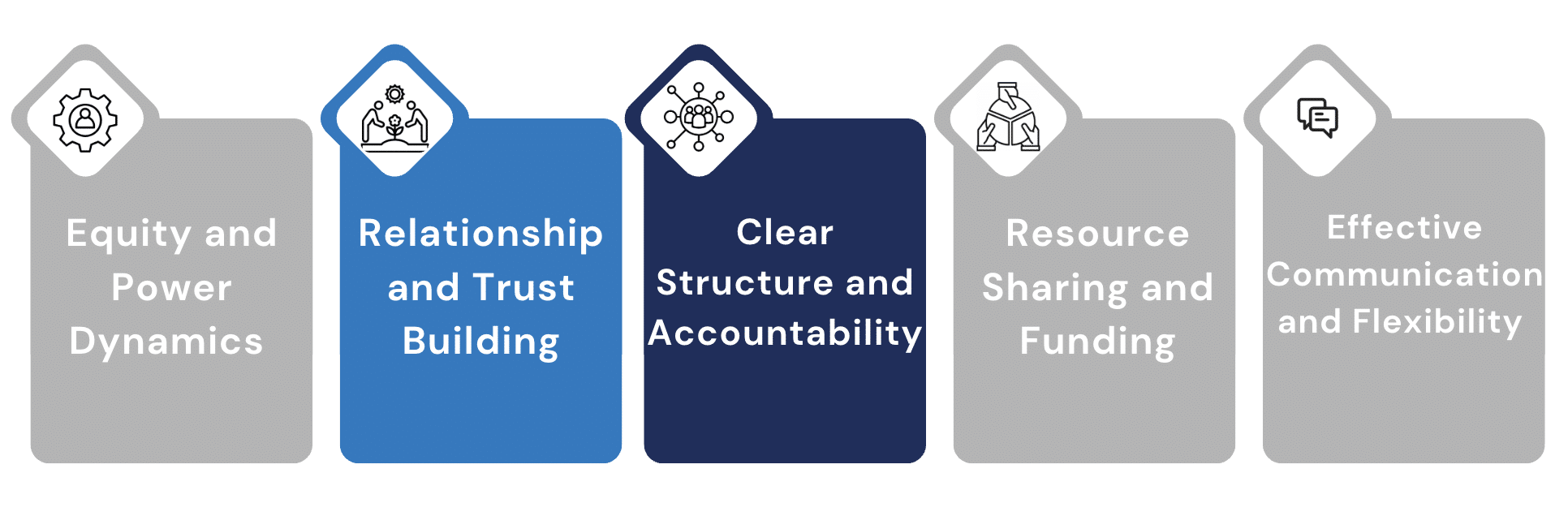
Relationship and Trust Building
- All parties confirm shared values and vision
- Practice and honor bi-directional transparency
- Long-term/ lots of time investment made
- Foster trust by recognizing past harms (acknowledge history) and rebuild where needed
- Emphasize humility, humanity, and active listening
- Lasts beyond staff turnover and/or funding changes
Clear Structure and Accountability
- Mutually define clear roles, responsibilities, goals, and expectations
- Establish intentional governance structures to support shared decision-making and power distribution
- Be action- and results-oriented
- Ensure mutual accountability, with follow-up actions demonstrating commitment to the partnership
Reflection Questions
1.
What does trust look like in your partnership, and what factors are facilitating or preventing that trust?
2.
Where does the community you work with factor into that trust? How will your partnership build and maintain trust with your community, and specifically residents most impacted by the health issue you seek to address?
3.
What needs do the individuals and organizations in your partnership have to be able to show up? (physical needs, emotional needs, psychosocial needs, etc.) What boundaries do the people in this partnership have?
4.
How will you know that partners are following through on the roles, responsibilities, and commitments you agree to, and how will you respond when commitments are not met?
5.
Are community members being asked to support your activities and adhere to government
expectations? Are you seeking out ways you can support community-led activities on their terms?
6.
If any one person at your organization leaves, how will you ensure you’ve planned for sustainability and that this partnership is not lost?